
Bathroom Ceiling Mold Removal: The 2026 Homeowner’s Guide to Safe Remediation

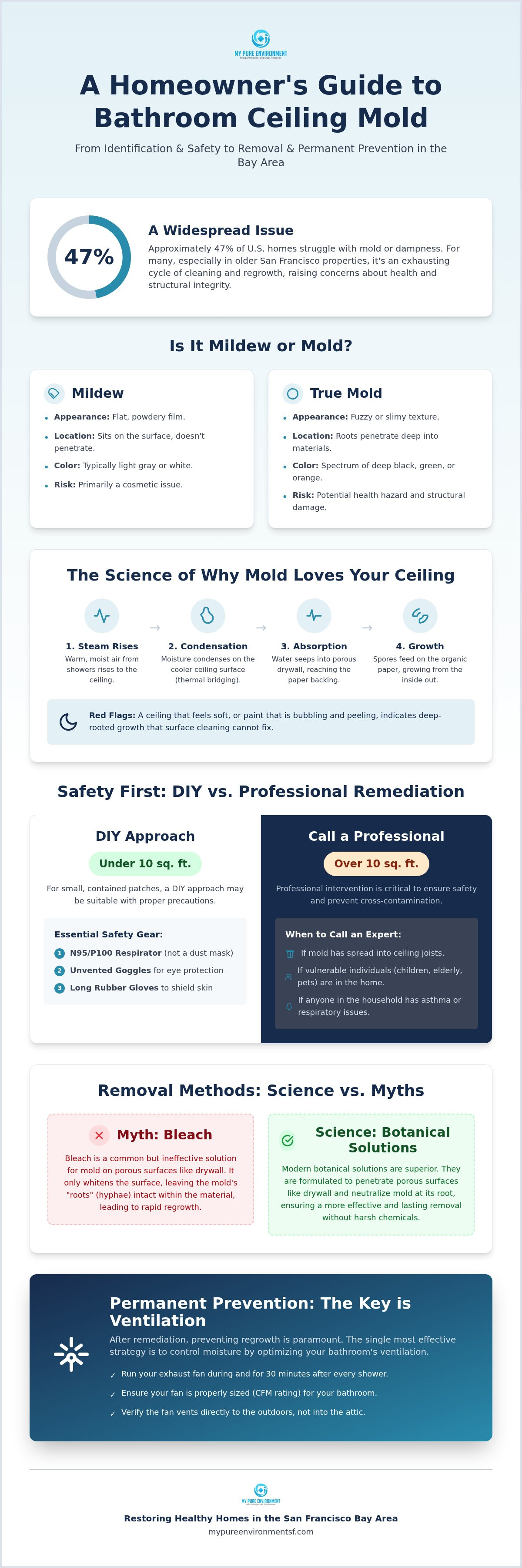
Did you know that approximately 47% of homes in the United States currently struggle with visible mold or persistent damp odors? For many homeowners, especially those living in older San Francisco properties, seeing dark spots reappear shortly after a bathroom ceiling mold removal attempt is an exhausting cycle. You likely feel a sense of unease regarding potential toxic exposure, especially when high humidity levels keep the surfaces damp. It's frustrating to invest time into scrubbing only to realize the underlying moisture issue remains unaddressed deep within your home's structural materials.
This guide provides a professional framework for remediation, moving beyond temporary surface fixes to help you achieve a truly clinical level of cleanliness. You'll learn how to identify different types of growth, understand why your current ventilation might be failing, and discover how to apply the latest 2026 safety standards for effective removal. We will preview the essential botanical solutions that have replaced harsh chemicals and outline a clear, science-based plan to restore your bathroom to a healthy state and ensure the spores do not return.
Key Takeaways
- Learn to differentiate between benign surface mildew and systemic fungal growth using specific visual markers and structural cues.
- Discover the critical safety protocols and the 10-square-foot threshold that dictates when bathroom ceiling mold removal requires professional-grade equipment.
- Debunk the bleach myth and identify superior botanical solutions that penetrate porous drywall to neutralize mold at the root.
- Master the professional sequence for room containment and overhead application to ensure a safe, drip-free remediation process.
- Establish a permanent prevention plan by optimizing your ventilation capacity to withstand the specific atmospheric demands of the Bay Area.
Identifying Bathroom Ceiling Mold: Is It Mildew or a Health Risk?
Distinguishing between a minor cosmetic issue and a structural hazard is the first step in any successful bathroom ceiling mold removal project. While many homeowners dismiss light gray dusting as "just mildew," this surface-level fungus is often the precursor to more aggressive infestations. Mildew typically appears as a flat, powdery film that doesn't penetrate deeply and sits on top of the paint. True mold, however, presents a more complex morphology. It often looks fuzzy or slimy and can manifest in a spectrum of colors including deep black, forest green, or even a startling orange. For a comprehensive overview of indoor mold, understanding that these fungi are living organisms seeking organic matter is essential.
Beyond the visual cues, your sense of smell serves as a reliable diagnostic tool. Active fungal growth produces microbial volatile organic compounds (mVOCs), which create a distinct musty, earthy, or "wet basement" scent. In San Francisco, the combination of older building stock and high ambient humidity makes bathroom ceilings the primary target for these colonies. The city's frequent fog and coastal air mean your home's envelope is constantly challenged by moisture, creating an ideal environment for spores to settle and thrive.
The Science of Why Mold Loves Your Ceiling
Ceilings are vulnerable due to a phenomenon called thermal bridging. In many San Francisco homes, the bathroom ceiling is the boundary between a warm, steamy room and a cold attic or exterior roof. This temperature differential causes moisture to condense rapidly on the surface. Unlike tiles, ceiling drywall is porous. As you shower, steam penetrates through microscopic cracks in the paint, reaching the paper backing of the gypsum board. This paper is a rich food source for mold, allowing it to grow from the inside out. San Francisco's specific microclimates, from the damp Sunset District to the cooler hills, dictate how quickly this moisture accumulates.
When "Just Cleaning It" Isn’t Enough
If you notice the ceiling feels soft to the touch or if the paint is bubbling and peeling, surface cleaning will fail. These are clear indicators that the mold has bypassed the protective paint layer and colonized the gypsum core. At this stage, the fungal hyphae, or "roots," are embedded deep within the material. When planning for bathroom ceiling mold removal, you should also look for signs of mold behind walls near the ceiling line, as moisture often travels from hidden leaks. It's vital to distinguish between simple condensation and a structural issue. A localized patch directly above a shower suggests a ventilation problem, whereas staining that spreads from a corner often points to a roof leak or failing flashing.
The Safety First Approach: DIY vs. Professional Remediation
Deciding between a weekend DIY project and calling a specialist depends largely on the scale of the infestation. Before you plan your bathroom ceiling mold removal, you must accurately measure the affected area. According to EPA guidelines for mold cleanup, homeowners can generally handle patches smaller than 10 square feet. If the growth covers a larger area or if you suspect the mold has spread into the ceiling joists, professional intervention is necessary to prevent cross-contamination. Working on a ceiling is inherently riskier than cleaning a wall. Gravity ensures that disturbed spores, dust, and cleaning agents fall directly toward your face, increasing the risk of inhalation and severe eye irritation.
Vulnerable populations require extra caution during any remediation effort. Children, seniors, and pets possess more sensitive respiratory systems and shouldn't be present in the home while mold is being disturbed. Even a small amount of aerosolized spores can trigger significant health responses in those with pre-existing conditions like asthma or chronic bronchitis. If your household includes anyone in these high-risk groups, prioritizing a contained, professional approach is the safest path forward. For peace of mind, you might consider a professional mold inspection to ensure the environment is safe for your family.
Essential Safety Gear for Homeowners
Standard dust masks are insufficient for bathroom ceiling mold removal. You need an N95 or P100 respirator to filter out microscopic particles effectively. Pair this with unvented goggles to protect your eyes and long rubber gloves to shield your skin from both the fungus and the cleaning solutions. Containment is also vital. You'll want to seal off the bathroom with plastic sheeting and painters' tape, ensuring spores don't drift into adjacent bedrooms or living areas through the ventilation system.
When Professional Testing is Mandatory
Not all mold is the same. Some strains, such as Stachybotrys chartarum, produce mycotoxins that require specialized handling protocols. Attempting a "blind cleaning" without identifying the species can lead to a massive release of these toxins into your indoor air. Utilizing mold testing in San Francisco allows you to establish a scientific baseline before you begin. This data ensures you aren't underestimating a systemic problem that requires more than a surface-level fix. This scientific approach helps prevent the accidental spread of spores that often occurs during improper DIY attempts.
Bathroom Ceiling Mold Removal Methods: Science vs. Myths
Many homeowners reach for bleach at the first sign of spotting, but this common response is often counterproductive. Bleach is formulated for non-porous surfaces like ceramic tile or glass. When applied to drywall, the chlorine remains on the surface while the water component, which makes up about 90% of the solution, soaks into the gypsum. This actually feeds the hyphae, or roots, of the mold, leading to rapid regrowth. Successful bathroom ceiling mold removal requires agents that can penetrate the material without providing additional moisture. Bleach is for tiles. Drywall is different.
Following CDC guidelines on mold safety ensures you protect your health while addressing the infestation. For small, manageable areas, household staples like distilled white vinegar or 3% hydrogen peroxide are far more effective than chlorine. These substances work by breaking down the fungal structure at a molecular level. Professional-grade antimicrobials take this a step further, utilizing stabilized formulas that provide long-term residual protection against future colonization.
Why Vinegar Wins Over Bleach
Vinegar contains acetic acid, a natural compound that penetrates porous materials to reach hidden mold roots. To use this method effectively, follow the "Spray, Sit, Scrub" sequence. First, spray undiluted white vinegar directly onto the affected ceiling area. Let it sit for at least 60 minutes to allow the acid to work. Finally, scrub the area with a soft brush and wipe it clean with a damp cloth. You must be extremely careful never to mix vinegar with bleach; this combination creates a toxic chlorine gas that is hazardous to your respiratory system.
Professional Solutions for Deep Remediation
When the infestation is systemic, manual cleaning is rarely enough. Specialists utilize HEPA-filtered vacuums to capture microscopic spores. A standard household vacuum lacks the filtration necessary to trap these particles, often exhausting them back into your indoor air. In cases where the drywall is structurally sound but stained, professionals may use encapsulation, applying a specialized antimicrobial sealant that locks in any remaining inert particles. For comprehensive results, dry fog mold remediation is often the preferred choice. This technology creates a fine mist that treats every cubic inch of the bathroom, neutralizing spores on the ceiling and in the air simultaneously without leaving the surfaces damp.
Step-by-Step: How to Remove Surface Mold from Your Ceiling
Removing all porous items like towels, rugs, and shower curtains is the first essential step because these materials act as secondary reservoirs for spores. In San Francisco's damp microclimates, the coastal fog often keeps these items slightly moist, providing a perfect secondary home for fugitive mold. Sealing any vents or gaps with painters' tape is a critical part of bathroom ceiling mold removal to ensure the remediation stays localized to the affected room. This prevents microscopic particles from migrating through the home's ventilation or wall cavities during the cleaning process.
Phase 1: Preparation and Containment
Turn off any air circulation systems, including wall heaters or central HVAC, to keep the air as still as possible. Lay down 6-mil plastic sheeting across the entire floor and over bathroom fixtures to catch falling debris and liquid. If you have access to a HEPA air scrubber, position it near the work area to capture aerosolized particles that escape the immediate cleaning zone. This level of containment mirrors the clinical standards used by professionals to maintain indoor air quality.
Phase 2: The Cleaning Process
Before scrubbing, lightly mist the ceiling with your chosen botanical or vinegar solution. This prevents dry spores from becoming airborne when disturbed. Work in small, manageable 2x2 foot sections to ensure thorough coverage. To prevent dripping, use a sponge or microfiber cloth that is damp but not saturated. Gravity is a significant factor here; any excess liquid will run down your arm or potentially into your eyes, carrying contaminants with it. Use a soft-bristled brush to agitate the surface. Aggressive scrubbing can damage the ceiling texture and push moisture deeper into the drywall core. Wipe away the residue using disposable cloths, switching to a clean surface for every wipe to avoid spreading the fungus.
Phase 3: Post-Cleaning Inspection
Inspection is a clinical process that requires precision. Use a high-powered flashlight held at an angle against the ceiling to reveal any remaining texture changes or subtle staining that might be missed under standard lighting. The most important part of this phase is the drying period. You must ensure the area is bone-dry within 24 hours. In the Bay Area, simply opening a window is often insufficient because the outdoor air can have a relative humidity of over 80%. This external moisture can stall the drying process, giving remaining spores a chance to reactivate. Use a dedicated dehumidifier to pull moisture directly from the drywall. If the staining persists or the surface feels spongy, you may require professional bathroom mold removal to address structural damage.
Permanent Prevention: Keeping Mold Away in the SF Climate
Completing a successful bathroom ceiling mold removal project is a significant achievement, but without systemic changes, the spores will inevitably return. Prevention in San Francisco requires a specialized approach that accounts for the city's unique atmospheric conditions. Unlike drier regions, the Bay Area's persistent coastal fog means that simple habits, such as opening a window after a shower, can sometimes introduce more moisture than they remove. True prevention relies on mechanical control and structural integrity rather than just surface treatments.
Anti-microbial paints are a common recommendation, but it's vital to understand their limitations. These coatings contain fungicides designed to prevent spores from germinating on the paint film. However, they are not a substitute for moisture control. If steam continues to penetrate the ceiling due to poor ventilation, the mold will simply grow behind the paint layer on the drywall's paper backing. Maintaining a healthy environment requires a commitment to indoor air quality monitoring to detect rising humidity levels before they reach a critical threshold.
Upgrading Your Bathroom Ventilation
The industry standard for ventilation is the CFM (Cubic Feet per Minute) rule. Your exhaust fan should provide at least 1 CFM for every square foot of bathroom space. For many older San Francisco homes, original fans are often undersized or have become inefficient due to dust accumulation. You can perform a simple "tissue paper test" to check suction; a functional fan should easily hold a single square of tissue against the grille. To ensure the room is fully purged of moisture, install a timer switch that keeps the fan running for at least 20 minutes after you leave the shower. This duration is necessary to remove the latent steam that clings to the ceiling and walls.
Professional Maintenance Strategies
In Victorian and Edwardian properties, thermal bridging remains a persistent issue. Cold spots on the ceiling occur where attic insulation is thin or missing, causing rapid condensation when it meets warm shower steam. Addressing these structural gaps with improved insulation can significantly reduce the "dew point" on your ceiling surfaces. Annual mold inspections are highly recommended for high-risk bathrooms that lack natural light or have limited airflow. These professional assessments can identify microscopic leaks or rising dampness before they escalate into a full-blown infestation. Ready for a permanent solution? Contact My Pure Environment SF for a clinical mold inspection today.
Achieving a Healthier Bathroom Environment
Managing fungal growth in a high-moisture area like the bathroom requires a clinical approach that prioritizes long-term air quality over quick cosmetic fixes. You've learned that effective bathroom ceiling mold removal depends on accurate identification, proper personal protection, and the rejection of ineffective myths like bleach treatments. By focusing on root-cause moisture control and utilizing botanical agents instead of harsh chemicals, you can maintain a safer living space for your family. It's about treating the building's ecosystem, not just the visible spots.
Sometimes, the complexity of older San Francisco homes or the scale of an infestation requires specialized expertise. As San Francisco local experts, we provide the precision needed for complex remediation in our unique coastal climate. Our certified IAQ specialists use non-invasive dry fog technology to treat your home's air and surfaces simultaneously, ensuring a comprehensive result that manual scrubbing can't match. If you're ready to move past recurring cycles of growth and restore your peace of mind, Get a Professional Mold Inspection in San Francisco today. You don't have to face environmental hazards without a guide; a pure, healthy home is just one scientific step away.
Frequently Asked Questions
Is black mold on the bathroom ceiling always dangerous?
No, the color black does not automatically mean a mold is toxic, but all indoor growth should be treated as a potential health hazard. Many species can trigger respiratory irritation or allergic reactions regardless of their specific strain. In older San Francisco homes, professional testing is the only reliable way to confirm the species and determine if you're dealing with a significant air quality issue.
Can I just paint over the mold on my bathroom ceiling?
No, painting over mold is a cosmetic error that fails to resolve the underlying biological issue. Mold will continue to consume the drywall's paper backing beneath the paint, eventually causing the new layer to bubble, crack, or peel. For effective bathroom ceiling mold removal, you must neutralize the spores and address the moisture source before applying any antimicrobial coatings or aesthetic finishes.
Does vinegar really kill mold better than bleach on drywall?
Yes, distilled white vinegar is significantly more effective than bleach for porous surfaces like drywall. Bleach contains a high water content that can actually encourage regrowth deep within the gypsum core. Vinegar's acetic acid penetrates the material to reach the fungal roots. However, for systemic issues, professional-grade botanical solutions or dry fogging provide a more comprehensive clinical result that ensures the spores are truly neutralized.
How much does professional bathroom mold removal cost in San Francisco?
Costs vary based on the extent of the colonization and the structural materials involved in the project. Factors such as the square footage of the affected area and the need for specialized laboratory testing influence the final investment. Because every San Francisco home has different ventilation challenges, a professional inspection is required to provide an accurate estimate for your specific environment without relying on generic averages.
Why does mold keep coming back even after I scrub it off?
Mold returns because surface scrubbing often leaves the fungal roots, or hyphae, intact within the porous drywall. Additionally, if the underlying moisture problem or poor ventilation isn't corrected, the environment remains a perfect breeding ground for new spores. Successful bathroom ceiling mold removal requires a combination of deep-reaching antimicrobial treatments and a systemic plan to lower the room's relative humidity permanently.
Should I leave the bathroom window open or closed during a foggy SF morning?
Keep the window closed during foggy San Francisco mornings. Opening it can actually introduce air with relative humidity levels exceeding 80%, which worsens the dampness inside your home. Instead, rely on a high-efficiency exhaust fan with a timer or a dedicated dehumidifier to purge moisture from the room. This mechanical approach ensures you aren't fighting the Bay Area's natural microclimates while trying to keep your ceiling dry.
What is the best paint to use to prevent bathroom mold?
The best choice is a high-quality antimicrobial paint that contains EPA-registered fungicides designed to inhibit fungal growth on the surface. These specialized coatings provide a secondary layer of protection for high-humidity areas. However, they're not a standalone solution. They cannot prevent mold from colonizing the back of the drywall if your bathroom lacks proper mechanical ventilation to manage the daily steam from showers.
How long does professional dry fog remediation take?
A typical dry fogging session for a standard bathroom usually takes a few hours to complete. This non-invasive technology is significantly faster than traditional methods that require tearing out drywall. Because the fog treats every cubic inch of the space simultaneously, you can often return to a healthy environment on the same day the service is performed. It's a highly efficient path toward achieving clinical-grade indoor air quality.
