
Mildew vs. Mold: Key Differences and How to Deal with Them
So, you walk into your bathroom, and that peculiar smell hits you. It’s musty and smells a bit like earth or mud. What is it? It could very well be mildew or mold, but how do you find out for sure, and how can you tell the difference? In this blog post, our local mold techs explore these answers so you will know the important differences between mildew vs. mold. We’ll also talk about what you can do to eliminate either issue.
I’m Feeling a Little Confused — Tell Me About Mildew
We understand why this topic of mildew vs. mold is a bit confusing because mildew is actually a type of mold. That said, it doesn’t have the same health risks and it doesn’t damage your property as quickly.
Mold loves to settle down on damp surfaces, especially in areas that are already moisture prone like bathrooms, kitchens, and basements.
The appearance of mildew is thinner than that of mold — it’s usually flat and white, gray, or yellowish in color.
What is Mold?
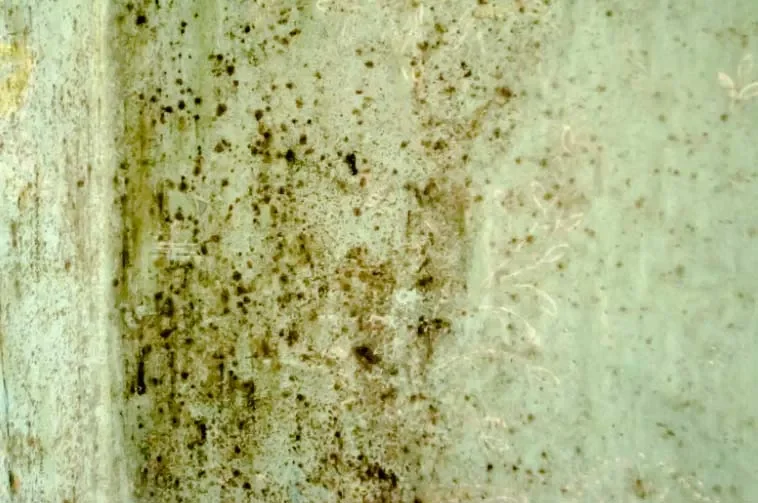
Mold, on the other hand, is a bit more formidable. It comes in a variety of colors, including black, green, and brown, and it can penetrate deep into the materials it infests.
Mold can wreak havoc on your home and pose significant health risks. This elusive fungus thrives in moisture-rich environments, often found in areas with water damage or high humidity.
Mildew vs. Mold — Here’s the Rundown on Telling the Differences
So, we’ve asked our local techs for some easy ways to tell mildew vs. mold apart. Here are some of the top clues they told us to look out for:
Appearance: Mildew is usually flat and powdery, while mold is fuzzy or slimy and can be black, green, or brown.
Odor: Both have a musty smell, but mold’s odor is typically stronger and more pungent.
Location: Mildew often grows on damp surfaces like shower walls, windowsills, and fabrics. Mold can grow deeper into walls, ceilings, and floors, especially in areas with water damage.
For more details on identifying mold, check out this insightful mold identification guide.

Health Risks
While mildew is generally less harmful, it can still cause some health issues, especially for people with allergies or asthma. Mold, however, can be much more hazardous. Exposure to mold spores can lead to respiratory problems, skin irritation, and even more severe health issues if left unchecked.
Can I Knock Out Mildew With DIY Efforts?
Mildew usually responds well to DIY cleaning — but not always. Here are a few suggestions from the My Pure Environment mold techs:
Clean the Area: Use a mixture of water and vinegar or a commercial mildew cleaner to scrub the affected area. Make sure to wear gloves and a mask to protect yourself from spores.
Improve Ventilation: Open windows and use fans to increase air circulation and reduce moisture levels.
Dry the Area: After cleaning, ensure the area is completely dry to prevent mildew from returning.
How to Deal with Mold
When it comes to mold, it’s a different story. Mold can be much more dangerous and challenging to eliminate. Here’s what you need to do:
Identify the Source: Find where the moisture is coming from and fix it. This could be a leaky roof, a broken pipe, or poor ventilation.
Call a Professional: For mold problems, especially large infestations, it’s crucial to contact a professional mold removal service. They have the expertise and equipment to handle mold safely and effectively.
Attempting to clean mold yourself can be risky and may even spread the mold further. Professionals will ensure the mold is thoroughly removed and prevent it from coming back.
For more information on preventing mold, visit the CDC’s mold prevention page.
You Know the Differences Between Mildew vs. Mold, so Take Action
Now you understand mildew vs. mold and know when you should call in the assistance of professional mold teams. Need some professional help determining if what’s growing on your property is mildew vs. mold? Contact My Pure Environment. We have the advanced tools and techs for determining which fungi are present and use EPA-registered dry fog technology to eliminate them in as little as a single day.
